When Your AI Works for Someone Else
AI Governance, Agentic Dependency and Enterprise Value

AI-Enabled Earnings vs AI-Owned Value
A business valuation, intellectual property, AI governance and enterprise-value guide for owners, founders, advisers, valuers and buyers. Dr M examines the emerging problem of agentic dependency: a business may reduce founder dependency, improve margins and automate critical functions while simultaneously transferring operational capability and control to AI vendors, platforms and licence agreements it does not own.
Who Should Read This
Owners, founders, advisers, valuers and buyers of AI-enabled businesses. Anyone who needs to understand whether AI-driven efficiencies actually belong to the business or are controlled by third-party AI vendors, platforms or licence arrangements.
Key Outcomes
- Understand the concept of agentic dependency and its valuation implications
- Distinguish AI-enabled earnings from AI-owned value
- Apply the Agentic Dependency and Value Framework to your business
- Assess whether AI capabilities are controlled, transferable and durable
- Identify risks of third-party AI vendor and licence dependency
- Understand how AI governance affects enterprise value and transferability
Available Formats
How This Book Fits Within the IPAPS Series
When Your AI Works for Someone Else extends the IPAPS body of work into one of the most important emerging sources of intangible value—and dependency: artificial intelligence.
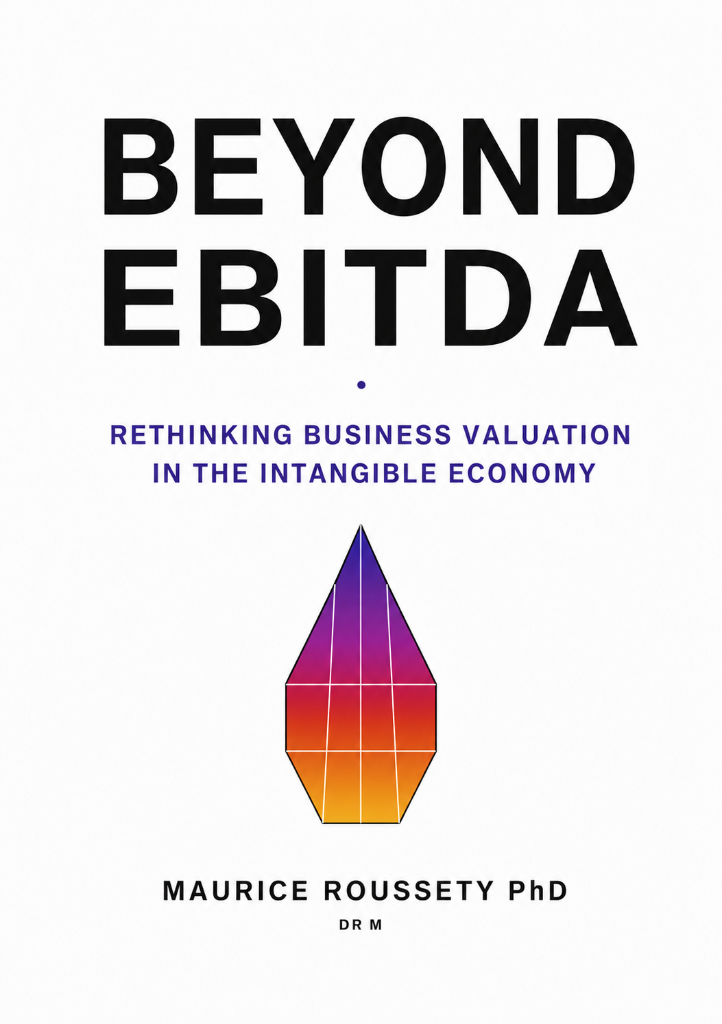
Beyond EBITDA provides the broader valuation foundation. It explains why business value cannot be understood from earnings alone and introduces the IPAPS methodology for examining the intangible assets, dependencies, risks and value drivers that determine whether earnings are durable and transferable.
When Your AI Works for Someone Else takes that principle into the AI-enabled enterprise. It asks whether AI-driven efficiencies and earnings actually belong to the business, whether the underlying capability is controlled and transferable, and what happens to value when critical functions depend on third-party AI vendors, platforms or licence arrangements.
In this sense, the books are complementary. Beyond EBITDA asks what lies behind the earnings. This book asks who owns and controls the AI capability increasingly producing those earnings.
Together, they reinforce a central IPAPS principle: enterprise value depends not simply on what a business earns today, but on whether the assets and capabilities producing those earnings can endure, transfer and continue creating value under new ownership.
Book Content & Themes
A structured guide to AI governance, agentic dependency and the valuation implications of AI-enabled enterprise value.
The Agentic Dependency Problem
How AI adoption can reduce founder dependency while creating a new, potentially more dangerous dependency on AI vendors and platforms.
AI-Enabled vs AI-Owned Value
The critical distinction between earnings produced through AI and the underlying capability the business actually controls.
The Agentic Dependency and Value Framework
A proprietary framework using agency theory and IP analysis to assess AI capability ownership, control and transferability.
Governance and Transferability
How AI governance structures affect whether AI-driven value can endure, transfer and continue creating value under new ownership.
FAQ
If the AI Relationship Changed Tomorrow, What Would Your Business Actually Retain?
Explore the emerging problem of agentic dependency and learn to distinguish AI-enabled earnings from AI-owned value through the Agentic Dependency and Value Framework.
More Books by Dr M
View All Books





Does Your AI Capability Belong to Your Business or Someone Else?
Understand agentic dependency and its impact on enterprise value through the IPAPS methodology.
"ThinkIP... because it pays!"